
Networking

A Better Plan for Networking
REFRESHES CANNOT SLIP
Networking projects are moving again, with enterprise networking revenue up 12% in 2Q 2025.
VISIBILITY DRIVES PERFORMANCE
72% of IT leaders expect to adopt network platform architecture for stronger visibility and control.
SECURITY AND NETWORKS ARE CONVERGING
60% of IT leaders expect integrated networking and security management across multi-cloud environments.
SD WAN IS REPLACING LEGACY WAN
SD WAN revenue rose 27% year over year, while access router revenue dropped 15%.
OUTAGES CREATE BUSINESS RISK
Network outages impact revenue, productivity, and brand trust. Reducing downtime is now a business priority.
*Sources: Gartner, Cisco, IDC, Cisco Annual Internet Report, Dell Oro Group.
Networking Solutions Built for Your Environment
Switching & Routing
Wireless & Mobility
SD WAN & Connectivity
Segmentation & Zero Trust
Refresh & Lifecycle
Network Visibility & Mngt
Why Paragon Micro?
Annual Account Retention
We Design Before We Connect Cable
Network projects fail when design is rushed. We define traffic needs, capacity models, firewall paths, load balancing, and architecture first, so the network scales without costly rework.
We Plan For What Comes Next
Your next workload can break yesterday’s network. We model density, application traffic, wireless demand, threat exposure, and growth so today’s investment supports tomorrow’s demand.
We Build Security Into The Network
The network is now a security control point. We design segmentation, next gen firewalls, DNS firewalls, threat detection, and policy enforcement into the architecture from the start.
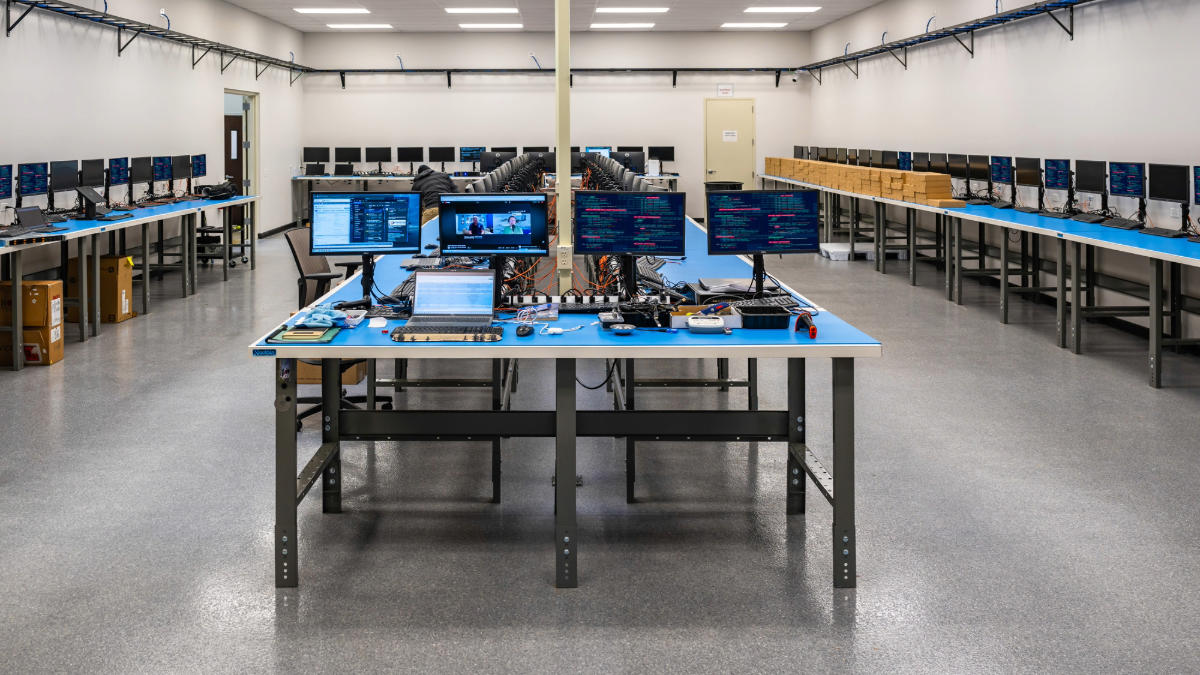
Paragon MicroSystem Readiness Center
We bring switching, wireless, SD WAN, next gen firewalls, DNS firewalls, load balancing, assessment, optimization, refresh planning, and lifecycle management together so traffic, applications, security boundaries, and operations work as one system.
Instead of juggling vendors, surveys, implementation timelines, design gaps, Cisco and Meraki decisions, and platform choices, your team gets one partner that connects the moving parts, reduces operational friction, and prepares the network to perform with stronger coverage and greater confidence.










Networking Implementation FAQs
FAQsFor Decision Makers
A network assessment should identify capacity limits, wireless gaps, firewall bottlenecks, stale configurations, routing issues, load-balancing needs, OEM report findings, lifecycle risks, and opportunities to optimize before implementation begins.
A credible strategy connects business priorities to technical design. It should include switching, wireless, WAN, segmentation, firewalls, DNS firewalls, threat detection, load balancing, cloud connectivity, lifecycle planning, monitoring, support model, and budget timing. It should also show what gets done first and why.
SD WAN can reduce costs, but savings are not automatic. The value comes from better circuit strategy, application routing, load balancing, improved uptime, centralized management, and reduced dependency on legacy WAN designs. The real question is whether performance, resilience, firewall visibility, and operating costs improved after deployment.
Define the outcomes before the contract is signed. Performance targets, firewall requirements, support expectations, licensing terms, hardware timelines, escalation paths, managed Cisco Meraki needs, and renewal costs should be documented up front. Paragon Micro helps keep vendors aligned with the design, budget, and operational goals.
Move when the firewall is no longer just a perimeter device. Modern networks need application control, DNS firewall options, threat detection, segmentation support, reporting, and capacity that keeps pace with users, cloud traffic, and branch growth.
FAQsFor Engineers
DNS firewalls help prevent users and devices from reaching malicious domains before traffic escalates into a larger incident. They support threat detection, policy enforcement, visibility, and layered defense alongside next-gen firewalls and segmentation.
Begin with visibility. Identify application flows, users, devices, dependencies, firewall rules, DNS exposure, and legacy systems before enforcing policy. Then, phase segmentation by risk and business impact. Testing, exception handling, and rollback planning matter as much as the segmentation design itself.
A single vendor can simplify support, licensing, firewalls, wireless, and managed operations. Multi-vendor can improve flexibility, pricing leverage, and fit for specific use cases. The right answer depends on team skills, Cisco Meraki requirements, operational model, lifecycle goals, and the level of complexity the business can realistically manage.
Measure before and after. Track latency, jitter, packet loss, path selection, failover behavior, application response time, circuit health, load balancing, firewall events, and user experience. SD WAN should be judged by workload performance and operational visibility, not just lower circuit cost.
Start with standard naming, templates, firmware policy, access roles, monitoring, wireless standards, firewall rules, and change control. Managed Cisco Meraki works best when the cloud dashboard supports a disciplined operating model, not ad hoc changes.
Powered by Trusted Technology Leaders
How We Help Build the Right Solution for You