
Cloud & Orchestration

A Better Plan for Cloud & Orchestration
CLOUD COSTS DRIFT
84% of organizations say managing cloud spend is their top cloud challenge.*
COMPLEXITY SLOWS TEAMS
52% of organizations say cloud complexity is a top challenge.*
VISIBILITY GAPS CREATE RISK
42% of leaders cite poor visibility as a major cloud infrastructure barrier.*
GOVERNANCE FALLS BEHIND
63% of organizations use more than one cloud provider, and 82% maintain hybrid infrastructure.*
AI RAISES THE STAKES
90% of organizations now use at least one internal platform to support modern software and AI delivery.
*Source: Flexera, HashiCorp, Google Cloud DORA, Cloud Security Alliance.
Cloud Orchestration Solutions Built for Your Environment
Cloud Platforms
Orchestration & Management
Enterprise Software Licensing
Why Paragon Micro?
Annual Account Retention
We govern before we migrate systems.
Cloud migrations that skip the governance conversation create the sprawl they were supposed to eliminate. We establish ownership models, cost allocation frameworks, and policy guardrails before workloads move, so the environment you build is manageable, cost-controlled, and secure.
We apply financial discipline to every decision.
Cloud is not inherently cheaper than on-premises, it depends entirely on how it is architected, governed, and managed. We bring FinOps thinking to every engagement, right-sizing instances, eliminating idle resources, and building the cost visibility that gives finance the numbers they need to plan against.
We treat licensing as a strategic asset.
Enterprise software agreements are among the largest IT expenditures most organizations carry and among the least actively managed. We review, rationalize, and renegotiate licensing so you are paying for what you use, protected from audit exposure, and capturing value from every renewal.
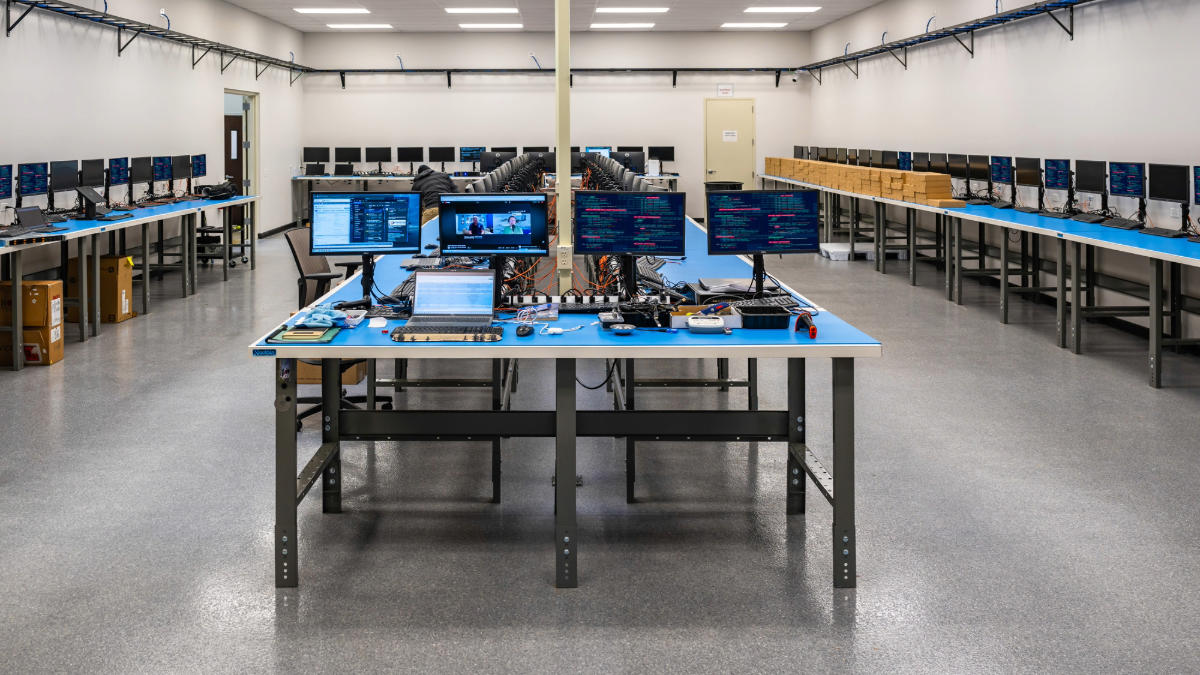
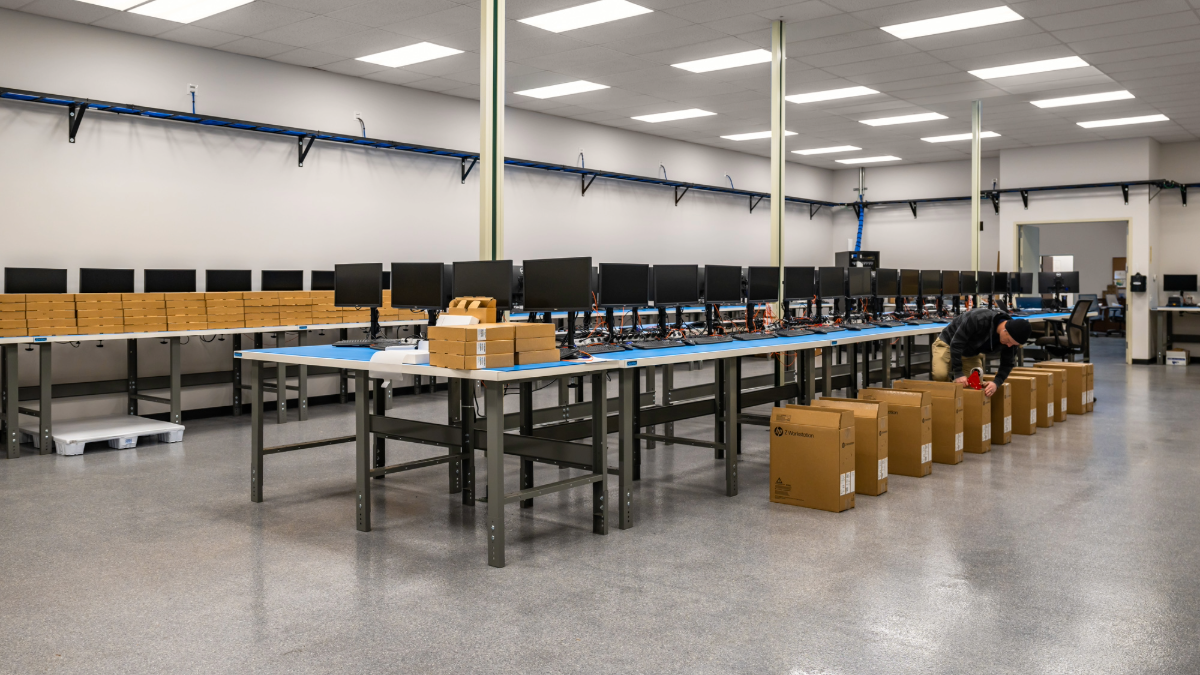
Paragon MicroSystem Readiness Center
Inside the Paragon Micro System Readiness Center, we help prepare laptops, desktops, tablets, and other user devices with the right Microsoft applications, security settings, identity access, licensing, endpoint controls, and workspace configurations. Your teams receive devices that are aligned to how users need to work from day one.
Instead of shipping hardware first and solving setup problems later, Paragon Micro brings configuration, deployment planning, licensing, security, and device readiness together in one controlled process. The result is less downtime, fewer help desk tickets, faster onboarding, and a smoother user experience across the business.









Cloud & Orchestration Impliementation FAQs
FAQsFor Decision Makers
It happens because migration and optimization are two separate projects, and most organizations only fund the first. Getting workloads into the cloud is a defined project with a clear end date. Keeping those workloads right-sized, governed, and cost-efficient is an ongoing discipline that requires tooling, process, and accountability that most migration programs never put in place. Fixing it starts with a cost and utilization audit that identifies where the waste is idle resources, oversized instances, unused licenses, and untagged spend that nobody owns. From there, we build the governance framework and operational cadence to keep costs aligned with actual usage going forward, not just at the point of migration.
Most organizations enter EA renewals with incomplete utilization data and no independent benchmark on what they should be paying. Microsoft’s account teams are highly skilled at identifying upsell opportunities during the renewal window and without a clear view of what you are actually using versus what you are licensed for, you are negotiating from a weak position. We conduct a full utilization review before the renewal conversation starts, identify where you are over-licensed and where you have genuine gaps, and build the commercial position that gives you leverage at the table. The goal is a licensing agreement that reflects your actual environment, not one that grows by default every 3 years.
A credible cloud strategy answers three questions with specificity: what workloads belong in the cloud and why, what governance model will keep costs and risk under control, and what the migration sequence looks like in terms of business value and technical complexity. The strategies that become theoretical exercises are the ones built in a vacuum by a strategy team rather than in collaboration with the people who run the infrastructure and the business units that depend on it. We build cloud strategies that are tied to actual workload data, costed against real cloud pricing, and sequenced around your operational calendar — so the board has a plan they can fund and track, not a slide deck that collects dust.
For most organizations, multi-cloud happened organically rather than strategically. A business unit chose AWS for a specific application, the enterprise went Azure-first, and Google Cloud landed somewhere in between. That is not a strategy, and it typically creates more overhead than value. The honest answer is that multi-cloud only delivers a competitive advantage when each platform is being used for what it is genuinely best at, with centralized governance and cost visibility across all three. Without that, you are paying for the complexity of running three environments while not fully capturing the benefits of any of them. We assess your current multi-cloud position, identify where consolidation makes sense and where diversification is genuinely justified, and build the governance layer that makes the remaining complexity manageable.
The honest answer is that accountability in cloud agreements lies in the contract terms, the service-level commitments, and how well you understand what you signed. Most organizations do not read their cloud agreements carefully enough during the negotiation phase, which means they discover the limitations of vendor commitments at the worst possible time. We review your existing agreements, identify where vendor commitments are ambiguous or weighted against you, and build the escalation and governance processes that give you commercial leverage throughout the relationship, not just at renewal. We also help you structure future agreements with the performance benchmarks and exit provisions that keep vendors accountable over the full term.
FAQsFor Engineers
State management and drift remediation require a disciplined approach that prioritizes production stability over cleanup velocity. We start with a full state audit, identifying which resources are managed, which are unmanaged, and where the drift between declared and actual state is greatest. Remediation is sequenced by risk, starting with non-production environments where we can validate the import and reconciliation process without production exposure. For resources that cannot be safely imported into the state without disruption, we document them as technical debt with a remediation plan tied to the next planned maintenance window. We also implement state locking, remote backend configuration, and workspace separation as part of the remediation, so the conditions that caused the drift are addressed alongside the drift itself.
Start with visibility before you touch anything. Most Kubernetes governance problems are invisible until you have a clear picture of what is actually running, which namespaces exist, who owns them, what resource requests and limits are set versus what is actually consuming, and where the scheduling contention is coming from. We deploy observability tooling first to baseline the cluster state, then work through a namespace governance model that establishes ownership, resource quotas, and limit ranges as enforceable policy. RBAC audit comes alongside that — most clusters with sprawl problems also have overly permissive role bindings that accumulated as teams needed access quickly. The governance model is designed collaboratively with your platform and application teams, so it is something people can actually operate, not a policy that gets worked around immediately.
Secrets migration is one of the highest-risk remediation workloads because the gap between decommissioning the old location and completing the migration to the new one is exactly where things break in production. We start with a secrets inventory, identifying every location where credentials, keys, and tokens currently live, what consumes them, and their rotation and expiry states. Migration is executed application by application, not in bulk, with a parallel period during which secrets exist in both the old location and Vault until the consuming application is validated against the new path. Vault policy design happens in parallel; auth methods, policies, and lease configurations are established before the first secret migrates, so you are not inheriting a governance vacuum in the new platform. We also integrate dynamic secrets when the application architecture supports them, eliminating the need to just manage them.
The tradeoffs are more operational than technical for most organizations. OpenShift on-premises gives you full control over the control plane, network topology, and security configuration, which matters significantly if you have compliance requirements around data residency, air-gap environments, or specific network segmentation requirements that managed services cannot accommodate. Managed Kubernetes on Azure AKS or AWS EKS removes the control-plane operational burden but introduces a dependency on the cloud provider’s upgrade cadence, networking constraints, and pricing model for node compute. The questions we work through with every team evaluating this decision are: what is the actual operational cost of running your own control plane, where do your compliance requirements create hard constraints on managed services, and what does your workload portability requirement look like over a three to five-year horizon? The answer is different for every organization, and we do not have a default recommendation; we have a structured evaluation framework that produces the right answer for your specific environment.
Tagging adoption fails when it is treated as a technical problem rather than an organizational one. The technical part defining a taxonomy, enforcing it via policy, and auto-remediating non-compliant resources is straightforward. The hard part is getting application teams, finance, and operations to agree on what the tags should say and who is responsible for maintaining them. We facilitate the taxonomy design process with all three stakeholders present so the output reflects what finance needs for cost allocation, what operations needs for resource management, and what is realistic for application teams to maintain. We then implement Azure Policy or AWS Config rules that prevent the creation of resources without required tags, and build a remediation workflow for existing untagged resources that assigns ownership before attempting compliance. The 30% problem is almost always a process and accountability problem; policy enforcement is what makes the process stick.
Powered by Trusted Technology Leaders